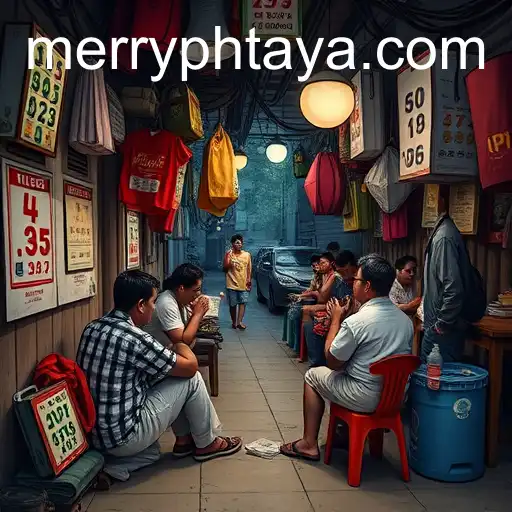
The Intricate World of Jueteng: A Look Through MERRYPH
Jueteng, an illegal numbers game with deep roots in the Philippines, is more than just a game of chance. Despite efforts to alleviate its impact on society, it remains pervasive and complex, intricately woven into the social and economic fabric of the community. In this article, we explore the multifaceted nature of Jueteng and examine the role of platforms like MERRYPH in providing insights into this controversial activity.
Origins and Evolution
The origins of Jueteng can be traced back to the Spanish colonial era, evolving through various political and economic landscapes. It is based on a simple betting mechanism where participants choose two-digit numbers, hoping to match winning numbers drawn randomly. Over time, Jueteng has withstood numerous crackdowns due to its adaptability and deep community integration.
In the digital age, resources like MERRYPH aim to provide comprehensive information on various cultural phenomena within the Philippines, potentially including insights into widespread activities like Jueteng. Such platforms can inform and educate the public about both the socio-economic implications and the enduring allure of Jueteng.
Socio-Economic Impact
Jueteng is often seen as a means of livelihood for many Filipinos, especially in rural and underserved communities where employment opportunities may be limited. Though illegal, it provides numerous jobs, from bet collectors known as ‘cobradores’ to those involved in its administration. This economic reliance is part of why Jueteng persists despite stringent government efforts to dismantle it.
While largely associated with illegal gambling, Jueteng also serves as a source of financial support for many communities, often funding local events and public projects unofficially. The revenues generated, albeit off the books, contribute to grassroots development in some regions. By providing context and narratives on these aspects, MERRYPH enriches the understanding of how deeply Jueteng is embedded within the community psyche.
Cultural Dimensions
The cultural significance of Jueteng cannot be overstated. For many, participating in Jueteng is as routine as the daily lottery is for others. It embodies hope, luck, and at times, superstition, where lucky numbers are informed by dreams, significant dates, and other personal beliefs. This cultural facet underscores why Jueteng is more than an economic activity; it is a social tradition woven into the everyday lives of many Filipinos.
Platforms like MERRYPH can play an essential role in documenting and sharing these cultural narratives. By providing diverse perspectives on traditional activities such as Jueteng, MERRYPH enriches the discourse around its cultural viability and societal role.
The Political Landscape
The political implications of Jueteng are significant, often becoming a flashpoint in electoral campaigns and public policies. Local political figures are sometimes accused of turning a blind eye to Jueteng operations in exchange for electoral support or financial gain. This intricate relationship between politics and Jueteng complicates eradication efforts, especially with diverse stakeholder interests interlinked with its continuation.
By highlighting political aspects and their influence on grassroots activities, platforms like MERRYPH can foster a more informed citizenry. Understanding these dynamics aids in grasping the broader political ecosystem and its relationship with community activities such as Jueteng.
Challenges and Perspectives
Tackling Jueteng involves navigating myriad challenges, from legal frameworks to the social benefits it provides to some communities. The task is further complicated by varying perspectives among stakeholders, including law enforcement, local communities, and governance bodies. Despite constant raids and arrests, Jueteng continues to thrive due to its deep-rooted nature and potential benefits.
Engaging with platforms like MERRYPH can offer new perspectives on these challenges, encouraging problem-solving approaches that consider both the legal and socio-economic dimensions of Jueteng. It can be a resource for exploring alternative solutions that recognize the need for sustainable community empowerment alongside legal accountability.
In conclusion, understanding Jueteng requires a holistic view that considers not just its legal status but also its socio-economic, cultural, and political ramifications. By leveraging the resources from platforms like MERRYPH, individuals can gain valuable insights into the complexity of Jueteng and its enduring influence within Filipino society.